







Seeking treatment options for fentanyl addiction means confronting a difficult challenge head-on. Fortunately, effective strategies for managing and overcoming this addiction do exist. This article will provide insights into medical detox, various medication options, the role of therapy, and the support systems that create a comprehensive approach to treating fentanyl addiction.
Understanding Fentanyl and Its Risks
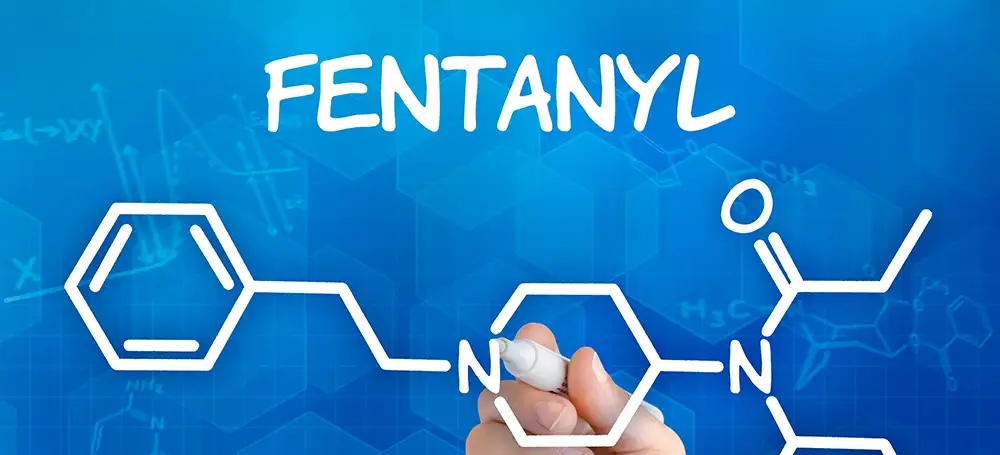
Fentanyl is a synthetic opioid that is approximately 100 times more potent than morphine and 50 times more potent than heroin, underlining its extreme strength. The use of fentanyl, whether as a prescribed medication for severe pain or illicitly, can lead to effects such as relaxation, euphoria, and pain relief by acting on the same opioid receptors. However, fentanyl use also brings confusion, drowsiness, and potentially dangerous respiratory depression. The potency of fentanyl, coupled with the risk of overdose deaths and an intense addiction potential, are the most significant risks associated with its use and other synthetic opioids.
To better equip ourselves in this battle, it is essential to recognize the signs of fentanyl addiction and understand the dangers of a fentanyl overdose – topics we will delve into in the following sections.
Recognizing the Signs of Fentanyl Addiction
Recognizing the signs of fentanyl addiction is the first step towards intervention and recovery. Individuals suffering from fentanyl addiction may exhibit behavioral changes such as:
- Mood swings
- Irritability
- Heightened anxiety
- Social withdrawal
They may neglect their responsibilities, and their performance at work or school may deteriorate.
Physical symptoms of drug addiction, which may be a result of drug abuse, include:
- Persistent drowsiness
- Nausea
- Constricted pupils
- Frequent headaches
- Weight loss
- Increased tolerance to the drug (needing more of the drug to achieve the same effect)
Recognizing these signs early can be a lifesaver, quite literally.
The Dangers of Fentanyl Overdose
A fentanyl overdose is a medical emergency that requires immediate attention. The powerful opioid effects of fentanyl can lead to severe respiratory depression, pinpoint pupils, and loss of consciousness. If not treated promptly, an opioid overdose, specifically involving fentanyl, can cause hypoxia – a condition where the body or a region of the body is deprived of adequate oxygen supply, leading to permanent brain damage, coma, and even death.
It is crucial to understand that fentanyl abuse carries a high risk of overdose, and the danger intensifies when the drug is taken in combination with other substances.
Medical Detoxification: The First Step in Fentanyl Addiction Treatment
The journey to recovery from fentanyl addiction begins with medical detoxification. This process is designed to safely manage the acute physical symptoms of withdrawal from fentanyl. Medical detox is critical in breaking the chains of addiction and facilitating a comfortable and effective recovery process.
During detoxification from fentanyl, individuals may experience a variety of withdrawal symptoms, which can be significantly uncomfortable or even painful. To alleviate these symptoms, medications such as lofexidine, nasal sprays, and the NSS-2 Bridge device may be utilized, together with innovative tools like prescription cognitive behavioral therapy applications. The medications used during detox are carefully administered and monitored, forming the foundation of our discussion in the next subsection.
Medications Used in Fentanyl Detox
During the detoxification process, a variety of medications, including prescription opioids, may be used to alleviate withdrawal symptoms and cravings. FDA-approved opioid drugs such as methadone and buprenorphine are commonly used. These medications act on opioid receptors as substitutes for the opioid of abuse, with a subsequent reduction or transition to a maintenance therapy regimen. It’s important to note that these medications are regulated by the Drug Enforcement Administration to ensure proper use and distribution.
Lucemyra (lofexidine hydrochloride) is another FDA-approved medication specifically designed to reduce opioid withdrawal symptoms in adults during detoxification. This medication works by reducing norepinephrine release, thus lessening the severity of withdrawal symptoms during the acute phase of detox.
Comprehensive Behavioral Therapies for Sustainable Recovery
As essential as medical detox and medication are, they form only part of the recovery picture. Comprehensive behavioral therapies play a vital role in sustainable recovery from fentanyl addiction. Cognitive-behavioral therapy (CBT), for instance, is designed to modify negative thought patterns and behaviors connected to substance use. This evidence-based approach is adapted to help prevent relapses in opioid use disorders by equipping individuals with essential coping skills to manage stress and external triggers. By implementing CBT through various therapy modalities, including group therapy, patients can address issues of motivation, trigger identification, and develop robust coping mechanisms in a supportive setting where fentanyl addiction treated effectively.
One such supportive setting is derived from the participation in support groups, the importance of which we will discuss next.
The Role of Support Groups in Fentanyl Addiction Treatment
Support groups play a crucial role in fentanyl addiction recovery by providing a sense of community and understanding. These groups allow individuals to:
- Share experiences
- Gain insights from others who have faced similar challenges
- Receive encouragement, motivation, and practical strategies for overcoming the hurdles of recovery
This collective wisdom often provides valuable support for individuals on their journey to recovery.
Peer support programs offer the following benefits for individuals in recovery from opioid use disorders:
- Guidance and mentorship
- Sober socializing opportunities
- Fostering an environment conducive to maintaining sobriety
- Support and accountability through peer-support meetings and community-based resources like Narcotics Anonymous and SMART Recovery
These programs play a vital role in the recovery process.
Personalized Treatment Plans at Mayflower Recovery
At Mayflower Recovery, we offer the following services to support your recovery journey:
- Personalized one-on-one therapy sessions
- Substance use assessments
- Dedicated medical and nursing services
- Treatment plans that include a combination of medication-assisted treatment protocols and mental health services administration, tailored to fit your specific needs.
We also emphasize the importance of self-care for patients through educational seminars promoting mindfulness practices. Our treatment philosophy is grounded in evidence-based practices and individualized care, and we actively involve family members in the recovery journey to ensure a comprehensive and supportive approach.
If you or someone you love is looking for fentanyl addiction treatment in MA then please connect with us today!
Accessing Tailored Care for Co-occurring Disorders
In addition to treating fentanyl addiction, Mayflower Recovery also provides tailored care for co-occurring disorders. This approach recognizes that many individuals struggling with substance use disorders also have underlying mental health issues that need to be addressed.
By treating both the substance abuse and the co-occurring mental health disorder, our substance abuse treatment strengthens the foundation for recovery. This comprehensive approach increases the chances of successful recovery and reduces the risk of relapse.
The Importance of Aftercare in Preventing Relapse
The journey to recovery from fentanyl addiction doesn’t end with the completion of a fentanyl addiction treatment program. Aftercare programs play a critical role in maintaining the gains made during treatment and preventing relapse. These programs provide ongoing support and resources to individuals transitioning back into daily life after completing detox or rehabilitation.
Regular check-ins, counseling sessions, and group meetings in aftercare help individuals stay accountable for their recovery. Coping strategies taught in aftercare equip individuals to manage stress and cravings, enhancing their resilience and ability to handle life’s challenges without substance use. In essence, aftercare programs create a supportive environment where individuals can connect with others who understand their journey, sharing experiences and gaining motivation.
Mayflower Recovery: Your Ally in the Fight Against Fentanyl Addiction
Mayflower Recovery is more than a rehabilitation center; we are your dedicated ally in the fight against fentanyl addiction. We offer a full spectrum of treatment options for substance use disorders and provide various resources to support individuals throughout their treatment process.
Our dedicated team plays a crucial role in delivering comprehensive care to patients. We are committed to aiding individuals in their journey to overcome drug addiction, and we stand by you at every step of your recovery journey, ensuring you never have to face this battle alone.
We’ve explored the landscape of fentanyl addiction, from understanding the risks and recognizing the signs to navigating the treatment process. We’ve delved into the importance of medical detox, personalized treatment plans, behavioral therapies, support groups, and aftercare in achieving sustainable recovery. Moreover, we’ve underscored the role of Mayflower Recovery as a dedicated ally in this arduous journey.
Remember, the journey to recovery from fentanyl addiction may be challenging, but it is not insurmountable. With the right resources, support, and treatment, you can break the chains of addiction and reclaim control of your life. At Mayflower Recovery, we are here for you, ready to guide you every step of the way towards a life free from fentanyl addiction.
Frequently Asked Questions
What are the signs of fentanyl addiction?
If you or someone you know is experiencing mood swings, irritability, heightened anxiety, social withdrawal, persistent drowsiness, nausea, constricted pupils, frequent headaches, weight loss, and increased tolerance to a drug, it could be a sign of fentanyl addiction. Seek help immediately.
What happens during medical detoxification for fentanyl addiction?
During medical detox for fentanyl addiction, withdrawal symptoms are managed in a safe and comfortable environment, and medications may be used to alleviate these symptoms. This ensures a safer and more comfortable process for the individual.
What role do behavioral therapies play in recovery?
Behavioral therapies, like Cognitive Behavioral Therapy (CBT, help modify negative thought patterns and behaviors related to substance use, equipping individuals with coping skills to manage stress and external triggers. This plays a crucial role in recovery.
How do aftercare programs prevent relapse?
Aftercare programs prevent relapse by providing ongoing support, resources, counseling, and coping strategies to help individuals stay accountable for their recovery. Regular check-ins and group meetings are also part of the process.
We can help your or someone you love with a Fentanyl addiction.
Call Mayflower Recovery today at 978-737-8979 to explore our fentanyl addiction treatment and let us help you on your or your loved one’s journey towards freedom.