





People often ask, “why do people abuse morphine?” In search of relief – whether for physical pain or emotional turmoil – individuals may turn to this powerful drug. Its high potential for addiction stems from its powerful pain-relieving and euphoric effects. This article explores the complex reasons behind why do people abuse morphine, including its accessibility, the psychological lure of its euphoric impact, and the risk factors involved in chronic pain and mental health conditions.
Key Takeaways
- Morphine’s potent analgesic and euphoric effects combined with ease of access and various pharmaceutical forms significantly contribute to its potential for abuse and addiction, particularly among those seeking pain relief or emotional escapism.
- Individuals with chronic pain or mental health conditions are at greater risk for morphine dependency due to self-medication, leading to a dangerous cycle of abuse exacerbated by the development of tolerance and the accessibility of morphine.
- Comprehensive treatment for morphine addiction involves a combination of detoxification, counseling, therapy, and medication-assisted treatment, with specialized facilities like Mayflower Recovery offering state-of-the-art amenities and support systems for recovery.
The Allure of Morphine: Reasons Behind Its Abuse
Morphine, with its potent analgesic and euphoric effects, often becomes an attractive option for those seeking relief from pain or emotional distress, leading to morphine addiction. The non-synthetic nature of morphine, sourced from opium known for its narcotic properties, underlines its strong addictive potential. The allure of morphine is further amplified by its diverse pharmaceutical forms such as:
- Pills
- Liquids for injection
- Patches
- Suppositories
These forms support its versatility in administration routes, including those targeting the central nervous system.
This ease of misuse and addiction is exacerbated by the accessibility and various forms of morphine, making it an attractive option for those seeking relief from pain or emotional distress.
Potency and Euphoria
The potency of morphine is not to be underestimated. It is about 10 times more potent than opium in its natural form, and up to 100 times more potent when synthesized. This potency enhances both the analgesic and euphoric effects, making it all the more alluring to users.
The experience of euphoria and pain relief, which are some of the effects of morphine, can quickly lead to dependency and abuse, further deepening the cycle of addiction. The potency and euphoria induced by morphine create an irresistible allure for many individuals, increasing the risk of misuse and addiction.
Accessibility and Forms
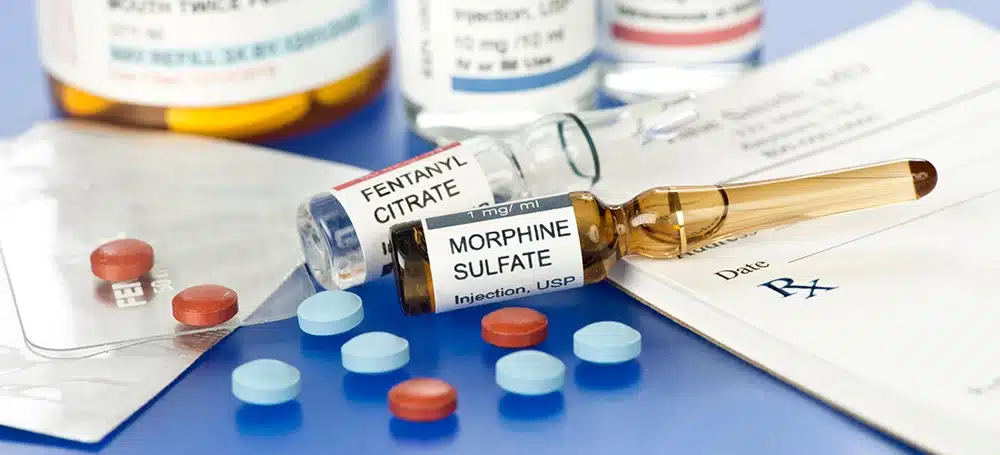
Morphine is available in several forms, including oral solutions, immediate and extended-release tablets and capsules, and injectable preparations. Its accessibility significantly contributes to its potential for abuse due to the ease of obtaining the drug in various forms. These various forms of morphine can make it more convenient to use, whether prescribed by a doctor or obtained illicitly.
The easy accessibility of morphine in multiple forms may lead to a higher risk of individuals abusing the drug.
The Connection Between Chronic Pain and Morphine Abuse
Morphine is often turned to for pain relief by individuals with chronic conditions. However, this relief can come at a steep price. Individuals with chronic pain are at an increased risk of developing a dependence on morphine.
The prolonged relief provided by morphine from persistent discomfort can lead to addiction when taken for extended periods. Thus, chronic pain sufferers may find themselves stuck in a cycle of morphine use and abuse, a situation further complicated by the challenges of managing their pain.
Self-Medicating with Morphine
Self-medicating with morphine to alleviate chronic pain without medical supervision can lead to increased health risks and heighten the possibility of developing an addiction. Morphine has a high potential for dependence, and using it to self-medicate for chronic pain can quickly escalate into an addiction. The development of tolerance often leads individuals to consume higher dosages to achieve the same level of pain relief, further entrenching the cycle of addiction. Some of the health risks associated with self-medicating with morphine include:
- Respiratory depression
- Constipation
- Nausea and vomiting
- Drowsiness and sedation
- Confusion and cognitive impairment
- Increased risk of accidents and injuries
It is important to seek medical guidance and explore alternative pain management options to ensure your safety and well-being, especially when dealing with severe pain related to the spinal cord.
Moreover, nonmedical use of morphine, opioid drugs, or other prescription opioids early in life is a significant risk factor for the development of substance use disorders, potentially due to their interaction with opioid receptors.
Alternatives for Pain Management
Chronic pain management includes non-opioid alternatives such as acupuncture, physical therapy, and non-steroidal anti-inflammatory drugs. Heat and cold treatments, along with medications like acetaminophen, complement other non-opioid pain management therapies.
Radio waves and electrical signals represent high-tech treatments that are part of the advanced alternatives for opioid-free pain management. In fact, laws have been established mandating healthcare practitioners to discuss non-opioid alternatives with patients prior to providing anesthesia or prescribing opioids.
Mental Health and Morphine Abuse
Mental health conditions are intricately linked to the likelihood of morphine addiction, primarily due to self-medication. Individuals with mental health conditions, particularly undiagnosed, are at increased risk for opioid addiction and opioid use disorder, and may struggle with health care decisions.
Using morphine to cope with emotional stress can increase the likelihood of addiction, especially when coupled with mental health disorders. Furthermore, patients with mental health diagnoses are often more likely to be prescribed opioids, elevating their risk of developing psychological dependence and the potential for overdose.
Co-Occurring Disorders
In the United States, over 60% of adults with opioid use disorder also suffer from a mental illness, with 24% having a serious mental illness. Over 60% of adolescents in substance use disorder treatment also meet criteria for another mental illness. Substance use disorders, including those related to morphine, often occur alongside:
- Anxiety disorders
- Depression
- Bipolar disorder
- ADHD
- Psychotic illness
- Personality disorders
- Schizophrenia
Approximately one in four individuals with serious mental illnesses, such as post traumatic stress disorder, also struggle with a substance use disorder.
Treatment for Dual Diagnosis
Evidence suggests that:
- Mental illness often precedes substance use disorders
- Early diagnosis and treatment of mental illnesses might significantly lower the rates of comorbidity
- Individuals with adolescent-onset bipolar disorder are at an increased risk for developing substance use disorders compared to those with adult-onset bipolar disorder.
The Collaborative Care Model is an integrated treatment approach that combines mental health care and physical health care in primary care settings to treat patients with both opioid use disorders and mental illness effectively. Integrating care management and psychiatric consultation with primary care services enhances the treatment outcomes for co-occurring conditions.

Recognizing Morphine Addiction: Signs and Symptoms
Recognizing morphine addiction is crucial to initiating timely intervention and preventing a potential morphine overdose. Individuals struggling with morphine addiction may engage in criminal behavior to obtain the drug, exhibit risky behaviors, lose jobs, and experience detrimental impacts on personal relationships. Physical signs indicative of morphine addiction include slowed breathing, cold and clammy skin, and drowsiness.
Over time, individuals with morphine addiction may develop a tolerance and need increased dosages to achieve the same effects, potentially leading to further criminal behaviors to sustain their addiction.
Physical Indicators
Physical signs of morphine addiction can include pale or blue lips, fingernails, or skin, agitation, fever, decreased frequency or amount of urine, and diarrhea. Physical and psychological dependence on morphine can also exhibit as behavioral changes like confusion, uncontrolled excitement, poor coordination, trembling and shivering. These physical signs serve as red flags, signaling a need for intervention and professional help, especially when morphine withdrawal symptoms are also present.
Behavioral Changes
Behavioral changes in morphine addicts may include social isolation, neglect of personal responsibilities, and deterioration in appearance and hygiene. Individuals may start hiding their drug use, concealing morphine prescriptions, or lying about their consumption to friends and family. They may begin to isolate themselves, spending less time with friends and family and avoiding social functions.
Morphine addiction can also lead to:
- A loss of interest in hobbies and activities that were once enjoyed, further contributing to social isolation
- Neglect of personal responsibilities, such as work or school obligations, as acquiring and using morphine takes precedence
- Neglect of self-care, leading to a deterioration in appearance and personal hygiene as morphine’s grip strengthens.
Overcoming Morphine Addiction: Treatment Options
Morphine addiction, while a significant challenge, can be overcome with the right treatment approach. Treatment for morphine addiction includes:
- Detoxification
- Counseling
- Therapy
- Medication-assisted treatment
Medication-assisted treatment for morphine addiction may involve FDA-approved medications like methadone, buprenorphine, or naltrexone to manage cravings and prevent relapse. Access to treatment for opioid use disorder and mental health conditions is often hindered by a shortage of providers, particularly in non-urban areas.
Detoxification and Withdrawal
Morphine detoxification is the first critical step in the treatment of morphine addiction where the body is rid of the substance. During the detoxification process, morphine withdrawal symptoms are managed through the administration of medications designed to alleviate discomfort. Regular medical monitoring is essential during the detoxification phase to ensure the safety and manageability of withdrawal symptoms.
Professional medical assistance is crucial during detoxification to mitigate the risks associated with withdrawal and to provide a foundation for successful recovery.
Counseling and Therapy
Counseling and therapy in morphine addiction treatment serve to address underlying psychological causes of the addiction. Through counseling and therapy, recovering individuals learn new coping skills that are essential for managing stress and avoiding relapse.
Family therapy is an integral part of addiction treatment that helps heal strained relationships and can improve the support system for those in recovery from morphine addiction.
Mayflower Recovery’s Comprehensive Approach
At Mayflower Recovery, we offer a comprehensive suite of services for individuals struggling with morphine abuse, including detox, inpatient rehab, and addiction treatment in Massachusetts. Our facilities feature state-of-the-art amenities such as a fireplace great room, dedicated entertainment rooms, and a variety of activities that contribute to a comfortable and supportive environment during treatment.
Located in Wilmington, MA, we are easily accessible for those looking for morphine addiction treatment services in the Massachusetts area.
In conclusion, morphine addiction is a complex issue that intertwines physical and psychological aspects. Understanding the allure of morphine, the connection between chronic pain and morphine abuse, and the impact of mental health on morphine abuse is crucial in recognizing and addressing this addiction. Treatment options, such as those offered by Mayflower Recovery, offer a comprehensive approach to tackling morphine addiction, encompassing detoxification, counseling, therapy, and medication-assisted treatment. With a supportive environment and a team of professionals, overcoming morphine addiction is a challenging yet attainable goal.
Frequently Asked Questions
What are the signs of morphine addiction?
If you notice slowed breathing, cold and clammy skin, drowsiness, social isolation, neglect of responsibilities, and deterioration in appearance and hygiene, these could be signs of morphine addiction. Take action if you see these signs.
How is morphine addiction treated?
Morphine addiction is typically treated with a comprehensive approach, including detoxification, counseling, therapy, and medication-assisted treatment. This approach addresses both the physical and psychological aspects of addiction, increasing the chances of successful recovery.
What is the connection between chronic pain and morphine abuse?
The connection between chronic pain and morphine abuse lies in the increased risk of dependence and addiction due to prolonged use for relief.
We can help your or someone you love with an morphine addiction problem.
Call Mayflower Recovery today at 978-737-8979 to explore our addiction treatment program and let us help you on your or your loved one’s journey towards freedom.