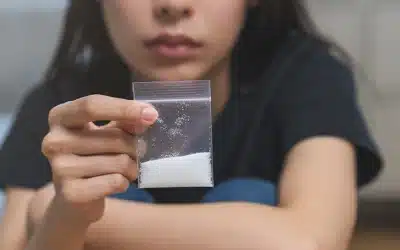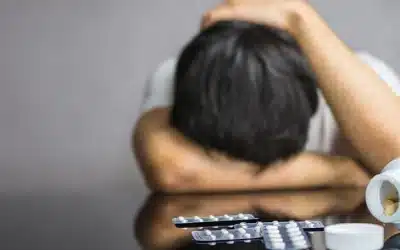




Facing a troubling trend, 5% of 12th graders admit to abusing prescription drugs. This article navigates the scope and severity of teenage drug misuse, shedding light on the underlying issues and the pressing need for intervention, while addressing the question: how many teenagers abuse prescription drugs?
Key Takeaways
- Prescription drug misuse among teens is a serious and multifaceted issue, with approximately 5% of 12th graders admitting to such behavior in the past year, indicating a need for ongoing vigilance and targeted interventions.
- Teens abuse various prescription drugs including opioids, sedatives, and stimulants, which can result in immediate health risks like overdose and death, as well as long-term impacts on health, development, and cognitive function.
- Preventative strategies, such as being a positive role model, open communication, and safe medication storage and disposal, are essential in reducing the likelihood of teen prescription drug abuse.
The Scope of Prescription Drug Misuse Among Adolescents
Prescription drug misuse among teens is more than just a statistic; it’s a significant concern that affects millions. While the headlines often spotlight illegal street drugs and their ravages, the silent adversary of prescription drug abuse continues to ensnare young people, often with equally devastating effects. The misuse of these medications—whether it’s for the thrill of the high, the false promise of academic prowess, or misguided attempts at self-medication—presents a multifaceted challenge.
In the following sections, we will explore the prevalence, the trends, and the regional disparities that paint a concerning picture of this modern-day scourge.
The Numbers Tell a Story
To grasp the magnitude of prescription drug misuse, one need only look at the data: approximately 5% of 12th graders admitted to misusing prescription drugs in the past year. This figure, though seemingly small, represents a significant portion of our youth teetering on the edge of addiction. Each percentage point embodies countless stories of potential derailed, futures jeopardized, and families thrown into turmoil.
Comparing Past and Present Trends
Research shows that although the cloud of substance abuse among teens has shown signs of receding since the COVID-19 pandemic, the issue of prescription drug misuse persists. The trend may be downward, but the problem remains far from resolved. Every pill, every prescription, carries the potential for abuse, a reality that has evolved and adapted through the years, requiring our vigilance and resolve to combat it.
Regional Variations in Abuse Rates
When it comes to drug abuse, not all geographies are equal. The Monitoring the Future survey reveals that variations in prescription drug abuse among teens can be starkly different across the United States. This regional patchwork of abuse rates, specific to drugs like Adderall and Ritalin, underscores the need for interventions that are as nuanced as the problem itself.
Understanding these variations is key to tailoring policies that can effectively address the unique challenges faced by communities across the nation.
Identifying Commonly Abused Prescription Medications by Teens
Our journey now takes us into the heart of the matter—the prescription medications themselves, including cold medicines and over the counter medications. Teens are drawn to opioids, central nervous system depressants, and stimulants, using them for purposes far removed from their medical intent. These substances, along with illegal drugs, offer an escape, a boost, or a momentary solace, but at what cost?
Let’s dive into the dangerous world of opioids, the deceptive calm of sedatives and tranquilizers, and the misguided quest for performance that leads to stimulant abuse.
Opioid Pain Relievers: A Dangerous Attraction
The allure of opioids is a dangerous one. These pain relievers, designed to treat pain, hold a fatal attraction for one in five teens, who use them for non-medical reasons. The irony is that while their popularity may be waning among 12th graders, with use at an all-time low since 2021, each instance of misuse carries a potential for addiction, overdose, and tragedy.
The Lure of Sedatives and Tranquilizers
Sedatives and tranquilizers, prescribed for ailments like anxiety and sleep disorders, are being co-opted by adolescents into tools for relaxation and altered states. The calm they seek through these medications comes with a hidden price—addiction, impaired judgment, and the risk of fatal seizures. This misuse is a significant component of the broader crisis of prescription drug abuse.
Stimulant Abuse: Not Just for Studying
Stimulant abuse is a stark reminder that not all drug misuse is rooted in the pursuit of pleasure. Approximately 2.9% to 3.2% of students in grades 8 through 12 report misusing stimulants, often under the false belief that they will enhance academic performance. Yet, these drugs do not improve learning or cognitive skills in individuals without attention-related medical conditions, making the risk far outweigh any perceived benefit.

Pathways to Teenage Prescription Drug Abuse
As we delve deeper, it becomes clear that the pathways leading to teenage prescription drug abuse are varied and complex. Some of the avenues that can lead teens down the perilous road to addiction include:
- Medicine cabinets at home
- Peer influence
- The anonymity of online pharmacies
- Acts of theft and deception
Understanding these pathways is crucial in order to prevent and address teenage prescription drug abuse.
Understanding these pathways is crucial to cutting off the supply at its source and shielding our youth from the clutches of these potent drugs.
Peer Pressure and Prescription Sharing
Peer pressure and the misguided practice of prescription sharing are formidable factors in a teen’s initiation into drug abuse. The desire to conform, to appear ‘cool,’ or simply to not feel left out can drive adolescents to make choices that have far-reaching consequences. Sharing medications, influenced by peers and family members, adds another layer of risk, with a significant number of teens being asked to divert prescribed stimulants.
Online Pharmacies and Illicit Markets
The internet has opened the floodgates for prescription drugs and illicit drugs to flow into the hands of teens, bypassing regulations and parental oversight. Social media and digital platforms, while not inherently malicious, have inadvertently become conduits for the nonmedical access to prescription drugs.
This ease of access is a stark reminder of the need for vigilance in our digital age.
Theft and Deception: When Desperation Takes Over
In some dark cases, desperation drives teens to steal prescription drugs from those they love—family members, including grandparents. This act of theft, often a sign of deeper issues, highlights the importance of secure storage and frank discussions about drug misuse within the family environment.
It’s a sobering reminder that trust can be exploited in the pursuit of a fix.
Consequences of Prescription Drug Abuse in Adolescents
The consequences of prescription drug abuse in adolescents extend far beyond the initial high or temporary boost in performance. The repercussions are immediate and long-lasting, affecting health, development, and life prospects.
Immediate health risks include:
- Respiratory depression
- Heart-related problems
- Overdose
- Death
Long-term, the impact on brain development and cognitive function can be devastating, setting the stage for a life of addiction and missed opportunities.
And beyond health, there are the legal and social consequences that can forever alter a young person’s trajectory.
Immediate Health Risks
The immediate health risks associated with prescription drug abuse are alarming. Opioids, when abused, can lead to respiratory depression and, when mixed with other substances like alcohol, coma or death. Stimulants, on the other hand, bring the risk of heart-related problems, seizures, and even stroke.
The abuse of central nervous system depressants can impair motor skills and judgment, leading to overdose. With overdose deaths among teens on the rise, often due to fentanyl-laced counterfeit pills, the risk is more real and present than ever.
Long-Term Impacts on Adolescent Health and Development
The long-term impacts on adolescent health and development due to prescription drug abuse are profound. Chronic misuse can lead to a damaged brain, memory problems, and a diminished capacity to experience pleasure. During these formative years, proper brain growth and development are critical, and substance abuse can severely hinder this natural process.
The risk-taking behaviors fueled by an underdeveloped decision-making process in the teenage brain amplify the likelihood of drug misuse. The potential for addiction is as serious as with street drugs, making the long-term dependency issues a grim reality for many young people.
Legal Repercussions and Social Consequences
The legal repercussions for adolescents caught abusing prescription drugs are severe, with the possibility of arrest and a criminal record that may follow them for life. Possession of medications without a valid prescription is illegal and can attract serious penalties. But beyond the legalities, the social consequences and dangers of prescription drug abuse can be just as crippling. Abusing prescription drugs can lead to disengagement from school and community activities, fraying peer relationships, and curtailing future opportunities.
The impact on an adolescent’s standing within the community and their interpersonal relationships can be long-lasting and profound.
Mayflower Recovery’s Role in Addressing Teen Prescription Drug Abuse
At this critical juncture, it’s essential to spotlight the beacon of hope that is Mayflower Recovery. Nestled in Wilmington, MA, Mayflower Recovery offers a sanctuary for teens wrestling with the chains of prescription drug abuse. With a 48-bed treatment facility and a team of experts, they provide personalized care that addresses the unique needs of each individual struggling with addiction.
Their role in this fight is indispensable, offering detoxification, rehabilitation, and aftercare services that pave the way for recovery and a brighter future.
If someone you love needs help with prescription drug detox in MA please contact us.
Detoxification and Rehabilitation Services
Detoxification is a critical first step on the road to recovery, and Mayflower Recovery provides it with medical supervision to manage withdrawal symptoms. The facilities offer a safe haven for those breaking free from the grip of substance use, including alcohol.
With world-class addiction treatment and amenities that foster comfort and healing, such as a fireplace great room and dedicated entertainment rooms, Mayflower Detox ensures that the journey towards sobriety is as comfortable as it is effective.
Educational Programs and Counseling
The personalized approach to addiction treatment at Mayflower Recovery extends to educational programs and counseling. The treatment options include:
- One-on-one therapy sessions that cater to the individual’s needs, providing a tailored pathway to recovery.
- Family therapy sessions that offer support not just to the individual but to their loved ones, recognizing the pivotal role of the family in the healing process.
- Educational seminars that provide additional knowledge and support for both the individual and their family.
These comprehensive treatment options ensure that each person receives the necessary support and resources for their recovery journey.
Mindfulness and self-care are taught as essential life skills, equipping those in recovery with tools to maintain long-term sobriety.
Tailored Treatment and Aftercare
Every individual’s battle with addiction is unique, and Mayflower Recovery recognizes this by offering tailored treatment plans that consider personal history, mental health status, and recovery goals. For teens, these plans are crafted with an understanding of their developmental stage and social dynamics.
But the support doesn’t end with initial rehab; aftercare services ensure ongoing support, helping prevent relapse and maintain the hard-won gains of recovery.
Prevention Strategies and Being a Positive Role Model
While treatment is crucial, prevention remains the most effective weapon against prescription drug abuse. Being a positive role model and fostering an environment that encourages open communication can significantly reduce the likelihood of a teen turning to drugs. When parents engage in conversations about the risks associated with drug use, teens are half as likely to misuse substances.
Strict family rules, close monitoring of medications, including cough medicine, and regular discussions about the dangers of medicine misuse form a robust preventive framework against the threat of abuse prescription drugs and prescription drug abuse.
Education and Open Communication
Education and open communication are powerful tools in the prevention arsenal. A lack of clear communication about the dangers of substance use can lead to experimentation and misuse by adolescents.
By discussing the risks and setting firm expectations, parents can create a transparent and supportive environment that discourages misuse and encourages healthy choices.
Safe Storage and Disposal of Medications
Proper storage and disposal of medications are critical defenses in preventing drug misuse. Parents must be vigilant, taking inventory of all medications and monitoring pill counts, especially for teens managing their own prescriptions. Locking medications away and disposing of old or unused drugs safely can stop abuse before it starts.
Through drug take-back programs and other disposal methods, families can ensure that these potential gateways to addiction are firmly closed.
To summarize, the misuse of prescription drugs amongst teenagers is a multifaceted issue with deep roots and extensive consequences. From the individual allure of opioids, depressants, and stimulants to the broader societal impacts and legal ramifications, the repercussions of drug abuse are far-reaching. Institutions like Mayflower Recovery provide a lifeline for those in the throes of addiction, offering comprehensive treatment and education. However, prevention through role modeling and awareness remains the cornerstone of our collective efforts to safeguard our youth. Let us take inspiration from this knowledge and commit to actions that will turn the tide against the abuse of prescription drugs in our communities.
Frequently Asked Questions
How prevalent is prescription drug abuse among teenagers?
Prescription drug abuse among teenagers is prevalent, with approximately 5% of 12th graders reporting misuse within the past year. This underscores the significance of the issue.
What types of prescription medications are commonly abused by teenagers?
Teenagers commonly abuse opioids like OxyContin and Vicodin, central nervous system depressants such as Xanax and Valium, and stimulants like Concerta and Adderall, which can have serious health consequences.
What are some immediate health risks associated with prescription drug abuse in adolescents?
Prescription drug abuse in adolescents can lead to immediate health risks such as respiratory depression, heart-related problems, overdose, and even death, particularly when combined with alcohol or other substances. It’s crucial to be aware of these dangers to prevent harm.
How can parents prevent their teenagers from abusing prescription drugs?
To prevent teenagers from abusing prescription drugs, parents should set a positive example, talk to them openly about the risks of drug use, and securely store and dispose of medications to restrict access. These measures can greatly reduce the likelihood of drug abuse among teenagers.
We can help your or someone you love with an alcohol addiction.
Call Mayflower Recovery today at 978-737-8979 to explore our Oxy addiction treatment and let us help you on your or your loved one’s journey towards freedom.