







Beating oxycodone addiction is an important, yet challenging, journey to embark on. This article provides a clear, no-nonsense approach on how to beat oxycodone addiction, understanding the complexities of addiction, starting with detox and leading through treatment and recovery. As you read on, you’ll find practical advice and support to help you through each step without making unattainable promises, anchoring you in reality and setting you up for a sustainable, opioid-free future.
Key Takeaways
- Oxycodone’s interaction with the brain’s dopamine-releasing neurons creates a pleasure sensation that can lead to habit formation and addiction, necessitating a greater understanding of opioid dependence to initiate recovery.
- Medication Assisted Treatment (MAT), utilizing FDA-approved medications such as buprenorphine, methadone, and naltrexone, is essential in alleviating withdrawal symptoms and supporting long-term recovery from Oxycodone addiction.
- Mayflower Recovery offers personalized detox and addiction treatment plans, and nonopioid pain management strategies, as well as comprehensive therapy and support networks are critical in the recovery from Oxycodone addiction and prevention of relapses.
Understanding Oxycodone Addiction
Oxycodone, a potent opioid pain medication, is like a wolf in sheep’s clothing. It offers relief from severe pain but also alters the brain’s response to pain, becoming highly habit-forming. When consumed, it interacts with the dopamine-releasing neurons in the brain’s ventral tegmental area (VTA), leading to a feeling of pleasure. This rewarding effect feeds the desire for more, pushing individuals down the slippery slope of addiction. Some key points to note about oxycodone addiction are:
- It is highly habit-forming
- It alters the brain’s response to pain
- It interacts with dopamine-releasing neurons in the brain
- It creates a feeling of pleasure
- It can lead to addiction
With repeated use, the brain cells with opioid receptors become less responsive, leading to opioid tolerance. This phenomenon pushes individuals to consume higher doses to achieve the initial effects. The mesolimbic reward system and the prefrontal cortex play pivotal roles in the development of Oxycodone addiction. Abnormalities in the prefrontal cortex reduce impulse control, further predisposing individuals to compulsive drug-seeking behaviors.
Understanding this intricate interplay between Oxycodone and the brain is critical in grasping the grip of opiate addiction.
Recognizing the Signs of Oxycodone Dependence
Recognizing the signs of Oxycodone dependence is the first step towards recovery. Physical symptoms of opioid withdrawal can manifest as:
- muscle aches
- diarrhea
- runny nose
- heightened nerve excitability
- chills
Over time, long-term use of Oxycodone can lead to the development of tolerance, meaning higher doses are needed to achieve the initial effects. This increased tolerance is a glaring red flag indicating Oxycodone dependence.
Opioid use disorder is characterized by an intense desire to use opioids, increased tolerance, and experiencing withdrawal when opioids like Oxycodone are not used. Severe opioid use disorder may be diagnosed when an individual demonstrates signs such as persistent opioid use despite health problems, trouble meeting work or school obligations, cravings, and withdrawal symptoms. Recognizing these signs can be a wake-up call, prompting individuals to seek help and start their journey towards recovery in the face of the opioid epidemic, and potentially preventing an opioid overdose.
The First Step: Initiating Oxycodone Detox
Initiating Oxycodone detox is akin to opening the door to recovery. However, this process isn’t a walk in the park. Withdrawal from Oxycodone can lead to severe flu-like symptoms, similar to those experienced during heroin withdrawal. These symptoms typically manifest between 8 to 12 hours following the last oxycodone dose, and they’re very similar to other opioids like Percocet and OxyContin. Some common withdrawal symptoms include:
- Nausea and vomiting
- Diarrhea
- Sweating
- Muscle aches and pains
- Anxiety and restlessness
- Insomnia
- Runny nose and watery eyes
- Dilated pupils
It’s important to seek medical assistance when detoxing from Oxycodone to ensure a safe and comfortable withdrawal process.
To avoid the abrupt onset of withdrawal symptoms, it’s recommended to gradually decrease the dosage of Oxycodone under medical supervision, adhering to a safe opioid tapering plan. The most intense period of psychological and physical withdrawal symptoms typically lasts up to one week after cessation of Oxycodone use, requiring professional oversight. It’s during this critical period that Mayflower Recovery steps in, providing specialized services for a safe and monitored detox process.
Medically Monitored Detox at Mayflower Recovery
When it comes to overcoming Oxycodone addiction, Mayflower Detox in Massachusetts stands as a pillar of support. The center provides world-class addiction treatment, including specialized services for those dealing with Oxycodone withdrawal.
With a team of experienced professionals, Mayflower Detox ensures a safe and supervised detox process, guiding individuals through the tumultuous waves of withdrawal and onto the calm waters of recovery.
Medication Assisted Treatment (MAT) for Oxycodone Withdrawal
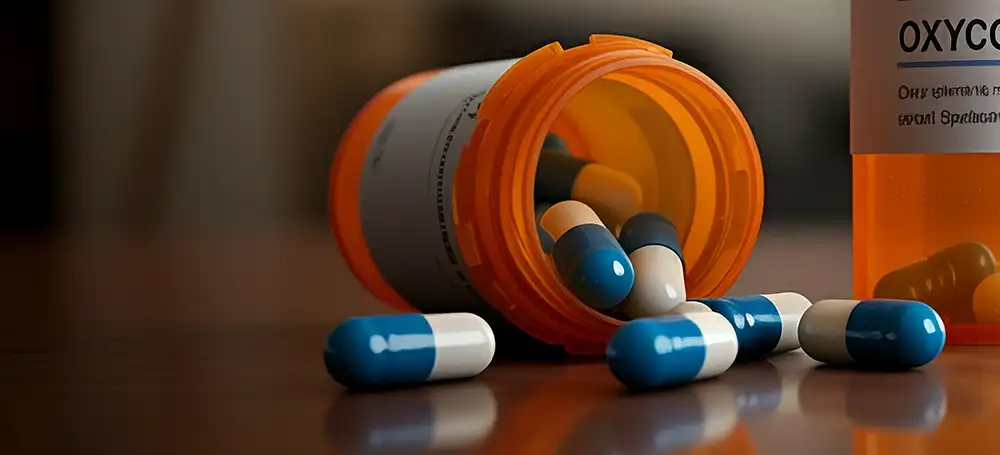
As the storm of withdrawal subsides, the next phase of treatment begins: Medication Assisted Treatment (MAT) for prescription opioids, opioid drugs, and other drugs. The FDA has approved three medications for treating opioid dependence: buprenorphine, methadone, and naltrexone, each with unique benefits and risks. Among these options, methadone treatment has been widely used, with therapeutic responses of buprenorphine at low doses being similar to methadone, while high doses can block the receptors strongly and precipitate withdrawal. To prescribe buprenorphine, healthcare providers must consider the patient’s specific needs and circumstances.
During detoxification, the following medications are sometimes used:
- Methadone
- Clonidine
- Buprenorphine
- Naltrexone (Vivitrol injectable suspension)
Methadone and clonidine can help alleviate symptoms such as irritability, agitation, restlessness, and anxiety. Buprenorphine has safety advantages as it precipitates withdrawal at high doses rather than causing overdose effects like methadone. Naltrexone, given as Vivitrol injectable suspension, blocks opioid receptors to reduce cravings and support long-term recovery.
These medications play a crucial role in the recovery process, alleviating severe withdrawal symptoms and helping individuals regain control over their lives.
Comprehensive Therapy Approaches
Beyond medications, the battle against Oxycodone addiction necessitates comprehensive therapy approaches. Behavioral therapies are recognized as an essential element in treating opioid addiction and can be effective whether applied alone or with medication. These therapies help individuals understand their opioid use disorder, identify triggers, and develop coping strategies.
Counseling for opioid addiction is critical in modifying negative thoughts and behaviors, facilitating a change in attitude towards drugs and substance abuse. Effective addiction counseling helps to repair and strengthen relationships that have been impacted by drug use, which is vital for establishing a support network necessary for recovery. During counseling sessions, individuals learn coping skills and techniques to better handle stress and pain, which are crucial for maintaining sobriety and avoiding relapse.
Personalized Addiction Treatment Plans
Every individual is unique, and so is their journey through addiction. Recognizing this, Mayflower Recovery offers personalized addiction treatment plans for Oxycodone abuse. These plans cater to individual needs and goals, providing tailored care that makes the journey towards recovery less daunting and more manageable.
Mayflower Detox and Residential Drug and Alcohol Rehab in MA design their addiction treatment plans to be personalized, meeting the individual needs and goals of those struggling with oxycodone abuse. By understanding the individual’s unique circumstances, they create a roadmap to recovery that resonates with the individual, making the journey less overwhelming and more achievable.
Managing Chronic Pain Without Opioids
Chronic pain can often feel like a relentless tormentor, but there are ways to manage it without resorting to opioids. Nonopioid medications such as topical or oral NSAIDs, acetaminophen, and antidepressants can treat both acute and chronic pain effectively. These medications work by reducing inflammation and blocking pain signals, providing relief without the risks associated with opioid use.
Beyond medications, physical therapies, mind-body practices, exercise, and psychological therapies are nonpharmacologic options for managing acute and chronic pain. These options are often as effective as opioids for common types of pain, including low back pain and migraines, with a lower risk profile. Oxycodone is intended for severe cases of acute or chronic pain where long-term medication is needed, not for pain that can be managed by as-needed medication.
Exploring these alternatives can help individuals manage their pain effectively while reducing the risk of opioid dependence.
Building a Support Network
In the battle against Oxycodone addiction, a support network serves as a formidable ally. A sober support network is a group of sober individuals who provide assistance in maintaining long-term sobriety, combat isolation and enhance self-esteem through social connections. It’s like having a team of cheerleaders, always ready to offer encouragement and support.
Sober support networks offer accountability and are instrumental in identifying early signs of potential relapse. Witnessing the success of others within the support network can inspire hope and reinforce commitment to the recovery journey. Building and extending a sober support network can be achieved through active participation in support meetings and involvement in the recovery community. With a robust support network, individuals are better equipped to navigate the road to recovery.
Lifestyle Changes and Holistic Therapies
The journey towards recovery from Oxycodone addiction isn’t only about medical treatments and therapies; it also involves lifestyle changes and holistic therapies. Engaging in physical activities such as walking in public spaces or participating in group exercises at public recreation facilities can serve as low-cost options for managing pain during the recovery from opioid use disorder. These activities not only help manage pain but also enhance overall well-being, promoting a healthier lifestyle.
Holistic therapies like acupuncture have also gained traction in the treatment of substance addiction. Acupuncture can be applied through a variety of techniques including manual needle manipulation, electroacupuncture, and even non-needle methods like acupressure. The National Acupuncture Detoxification Association (NADA)’s auricular acupuncture protocol has gained popularity for its effectiveness in the treatment of substance addiction, including opioid dependence. Recognized by the World Health Organization as an effective treatment strategy for drug abuse, acupuncture is valued for its low cost, simple implementation, and lack of detrimental side effects.
Combining lifestyle changes with holistic therapies can go a long way in facilitating recovery and promoting overall mental health and well-being.
Navigating Relapse Prevention
Recovery from Oxycodone addiction is a marathon, not a sprint, and it’s essential to be prepared for possible roadblocks along the way. Stress, a frequent companion in our lives, can trigger drug cravings and is a factor in relapse. Managing stress effectively, therefore, becomes paramount in relapse prevention.
The likelihood of relapse can be decreased by:
- Distancing oneself from previous drug-related associations
- Fostering a network of supportive individuals in recovery
- Developing a personalized relapse prevention plan during counseling sessions
This plan educates individuals on the science of addiction, helping them understand their triggers and devise strategies to manage them.
Navigating relapse prevention is a crucial aspect of recovery, ensuring long-term sobriety and a successful transition to a healthier life.
Mayflower Recovery: Your Partner in Overcoming Oxycodone Addiction
Overcoming Oxycodone addiction may seem like a daunting task, but remember, you’re not alone. Mayflower Recovery provides comprehensive treatments like detox for oxycodone in MA tailored to support patients battling Oxycodone addiction. From detox services to inpatient rehab, Mayflower Recovery is there to guide you every step of the way.
Located in Wilmington, MA, Mayflower Recovery offers more than just treatment; it provides a sanctuary where recovery is nurtured. Patients can enjoy amenities such as a fireplace great room, dedicated entertainment rooms, and a variety of activities designed to promote relaxation and recovery.
At Mayflower Recovery, you will find a partner in your journey towards overcoming Oxycodone addiction, providing you with the support you need to reclaim your life.
Overcoming Oxycodone addiction is a journey fraught with challenges, but with the right approach, recovery is within reach. Understanding Oxycodone addiction, recognizing its signs, initiating detox, and adopting a comprehensive treatment plan are essential steps in this journey. Nonopioid alternatives, lifestyle changes, and holistic therapies can help manage chronic pain, while a strong support network provides the much-needed moral support. With personalized treatment plans, Mayflower Recovery offers a beacon of hope to those struggling with Oxycodone addiction. Remember, the road to recovery may be long, but every step you take is a step towards a healthier, happier you.
Frequently Asked Questions
What is Oxycodone and why is it addictive?
Oxycodone is a potent opioid pain medication that alters the brain’s response to pain, making it highly habit-forming by interacting with the brain’s reward system. It can lead to dependence and addiction.
What are the signs of Oxycodone dependence?
If you experience physical symptoms of withdrawal, increased tolerance, and persistent drug use despite health problems, you may be dependent on Oxycodone. It is important to seek help and support if you recognize these signs.
How does Mayflower Recovery support detox from Oxycodone?
Mayflower Recovery supports detox from Oxycodone by offering specialized services for withdrawal at their Massachusetts facility.
What are some nonopioid alternatives for managing chronic pain?
Nonopioid alternatives for managing chronic pain include nonopioid medications, physical therapies, mind-body practices, and exercise. These options can help reduce pain and improve quality of life.
How does Mayflower Recovery help in preventing relapse?
Mayflower Recovery helps prevent relapse by offering counseling that educates about addiction and creating personalized relapse prevention plans. This personalized approach is essential in addressing individual needs and potential triggers.
We can help your or someone you love with an Oxy addiction.
Call Mayflower Recovery today at 978-737-8979 to explore our addiction treatment program and let us help you on your or your loved one’s journey towards freedom.