






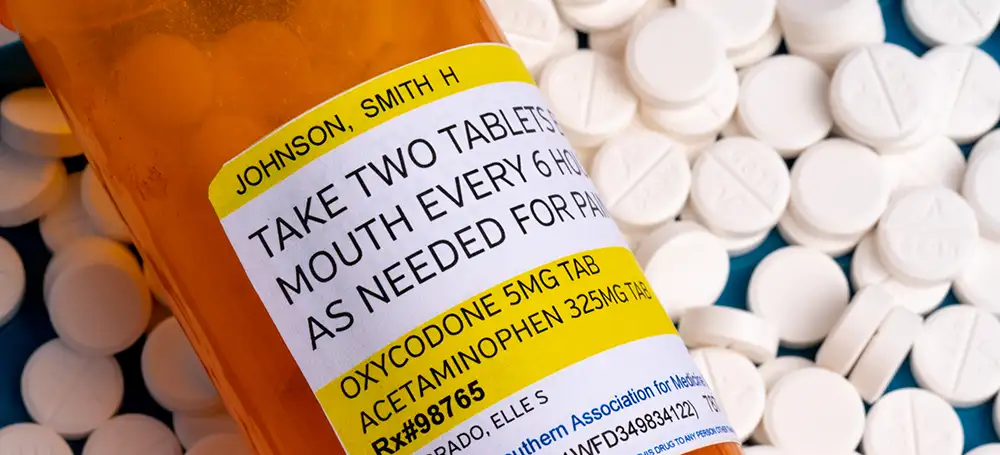
Long-term oxycontin addiction carries a heavy toll on both mental and physical health. Consequences can range from emotional turmoil and heart disease to debilitating cognitive effects. In this article, we explore the long term effects of oxycontin addiction, preparing you to understand and confront the realities of opioid dependency without overwhelming you with medical jargon or assuming prior knowledge.
Key Takeaways
- OxyContin addiction significantly impacts mental health, causing issues such as emotional instability, anxiety, depression, paranoia, and delusions, which highlight the importance of addressing the mental consequences of opioid abuse.
- Chronic use of OxyContin has severe physical side effects including damage to the respiratory system, gastrointestinal problems, cardiovascular risks, and cognitive impairments, leading to diminished quality of life and increased health risks.
- Overcoming OxyContin addiction involves a comprehensive treatment approach that includes detoxification, inpatient rehabilitation, aftercare, prevention of relapse, and managing withdrawal symptoms with support and medications like methadone.
The Impact of OxyContin Addiction on Mental Health
OxyContin, one of the prescribed opioids, is often used for severe pain relief, including chronic pain. But when misused, it can lead to a devastating cycle of addiction. This abuse oxycontin doesn’t just lead to physical dependence; it seeps into the psyche, causing severe mental health issues.
Emotional Instability
Long-term OxyContin addiction can wreak havoc on a person’s emotional stability, leading to unpredictable mood swings and increased irritability. Chronic users may resort to the drug to alleviate emotional pain, further escalating this cycle of instability.
Anxiety and Depression
The relationship between OxyContin addiction and mental health disorders such as anxiety and depression is notably profound. The abuse of this opioid medication can exacerbate these mental illnesses, especially in individuals with a history of these conditions.
Paranoia and Delusions
OxyContin contains a high concentration of oxycodone, an opioid known to cause serious mental health issues, including:
- Paranoia
- Anxiety
- Depression
- Mood swings
- Hallucinations
Recognizing these implications is critical, as it underlines the severity of OxyContin addiction and its relation to drug abuse on mental health.
Physical Consequences of Prolonged OxyContin Use
OxyContin abuse doesn’t just affect the mind; it takes a severe toll on the body as well. The physical consequences of prolonged use are far-reaching, from respiratory issues to cardiovascular risks.
Respiratory System Damage
Respiratory problems linked to OxyContin use are all too common. The drug can cause respiratory depression, leading to:
- Drastically slowed down respiratory rate
- Hypoxia, where insufficient oxygen reaches the body tissues
- Increased likelihood of pneumonia due to depressed respiratory function
Gastrointestinal Problems
Gastrointestinal issues are another common consequence of chronic OxyContin use. Patients often experience:
- Severe constipation
- Nausea
- Vomiting
- Abdominal bloating
Some patients may find the symptoms to be so severe that they choose to either lower their opioid dosages or stop using opiates altogether. This decision can have significant impacts on their treatment and quality of life.
Cardiovascular Risks
Long-term OxyContin use can increase the risk of:
- Cardiovascular diseases
- Metabolic processes
- Blood pressure
- Blood glucose levels
- Lipid profiles
Understanding these risks is crucial for monitoring cardiovascular health in individuals with prolonged OxyContin use.

Cognitive Impairments from OxyContin Abuse
OxyContin’s impact extends to cognitive functions as well. A single dose can impair attention, working memory, and verbal memory shortly after intake. Age doesn’t significantly alter these cognitive impairments, indicating that both middle-aged and older adults can be affected.
Chronic OxyContin use leads to memory loss, decreased attention span, and impaired decision-making skills, marking a significant decline in cognitive performance within the central nervous system. Understanding these impairments is critical, as it underlines the far-reaching effects of OxyContin abuse on the brain.
The Dangers of OxyContin Overdose
The dangers of OxyContin overdose cannot be overstated. It’s a grave risk associated with OxyContin abuse and can lead to life-threatening situations if not promptly addressed.
Signs of an opioid overdose include:
- Lack of responsiveness
- Pinpoint pupils
- Shallow or ceased breathing
- Very pale or clammy skin
- Limp body
- Blue or purple discoloration of the lips or fingernails
- Vomiting
- Gurgling sounds
- Slowed or undetectable heart rate
Immediate administration of Naloxone and seeking medical attention are essential steps in responding to an opioid overdose.
Recognizing the signs and symptoms of an OxyContin overdose is crucial for timely and effective intervention and can make the difference between life and death.
Coping with OxyContin Withdrawal Symptoms
Withdrawal is a significant hurdle for those trying to overcome OxyContin addiction. Symptoms from chronic opioid use include:
- Generalized pain
- Chills
- Cramps
- Diarrhea
- Dilated pupils
- Restlessness
- Anxiety
- Nausea
- Vomiting
- Insomnia
- Intense cravings
However, coping with these symptoms is possible with the right support and treatment. Medications such as methadone have proven effective in mitigating drug dependence, particularly opioid dependence, and minimizing the chances of a relapse during the withdrawal period.
Mayflower Recovery’s Comprehensive Approach to OxyContin Addiction Treatment
Navigating the journey to recovery from OxyContin addiction can be daunting, but it’s not a journey one has to make alone. Mayflower Recovery offers a comprehensive and personalized approach to oxycontin addiction treatment in MA, by addressing the unique needs and goals of each individual.
Detoxification Process
The journey to recovery begins with a detoxification process. At Mayflower Recovery, the following steps are taken during detoxification:
- Medications for opioid use disorder are used to improve safety.
- Medications are used to prevent withdrawal symptoms.
- Medications are used to reduce the likelihood of continued opioid use.
Inpatient Rehabilitation
After detoxification, the next step is inpatient rehabilitation. Mayflower Recovery provides a luxurious, supportive environment for individuals recovering from OxyContin addiction, offering a state-of-the-art facility with amenities on par with luxury hotels.
Aftercare and Support
The road to recovery doesn’t end after rehabilitation. Aftercare and support services are crucial to maintaining sobriety and preventing relapse. Mayflower Recovery provides ongoing assistance through resources like SAMHSA’s National Helpline, offering 24/7 support for those in need.
The comprehensive approach provided by Mayflower Recovery ensures that individuals battling OxyContin addiction are supported every step of the way, from detoxification to aftercare and beyond.
Preventing OxyContin Addiction Relapse
Preventing relapse is a critical aspect of the recovery journey. This involves developing a comprehensive plan that includes therapy, skill development, medications, and monitoring.
Treatment protocols like motivational interviewing and community reinforcement approach, alongside cognitive-behavioral therapy, are used to foster a readiness for change and equip individuals with the necessary coping skills for sustained recovery.
Moreover, support programs such as Alcoholics Anonymous and monitoring tools like urine drug screens contribute to a strong support network and provide measurable accountability for individuals in recovery from substance abuse.
OxyContin addiction is a complex issue with far-reaching mental, physical, and cognitive effects. From anxiety and depression to respiratory damage and cognitive impairments, the impacts are pervasive and long-lasting. However, with the right support and comprehensive treatment, such as that offered by Mayflower Recovery, overcoming OxyContin addiction is possible, and a healthier, addiction-free life is within reach.
Frequently Asked Questions
What are the signs of an OxyContin overdose?
If you notice someone showing signs of an OxyContin overdose, such as shallow breathing, pinpoint pupils, and lack of responsiveness, it is crucial to seek immediate medical help. Blue discoloration of the lips or fingernails, vomiting, and gurgling sounds may also be present.
What are the withdrawal symptoms from OxyContin?
The withdrawal symptoms from OxyContin can include generalized pain, chills, cramps, diarrhea, dilated pupils, restlessness, anxiety, nausea, vomiting, insomnia, and intense cravings. It is important to seek professional help if experiencing these symptoms.
What is the impact of OxyContin addiction on mental health?
OxyContin addiction can lead to various mental health issues, such as emotional instability, anxiety, depression, and paranoia. It is important to seek help if you or someone you know is struggling with OxyContin addiction.
We can help your or someone you love with an alcohol addiction.
Call Mayflower Recovery today at 978-737-8979 to explore our Oxy addiction treatment and let us help you on your or your loved one’s journey towards freedom.