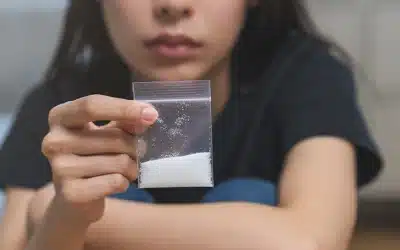







Recognizing the stages of heroin addiction is pivotal in understanding how casual use spirals into dependency. This guide outlines these stages, providing a precise look at the signs and symptoms characterizing each phase without unnecessary jargon or embellishment. Whether you’re seeking knowledge for personal insight or supporting someone else, you’ll find a clear path through the complexities of heroin addiction here.
Key Takeaways
- Heroin addiction begins with experimentation, marked by an immediate rush of euphoria which can lay the groundwork for a devastating addiction, and is influenced by various risk factors.
- Transitioning from casual use to misuse, heroin users develop a tolerance that leads to increased frequency and dosage, resulting in significant health risks, behavioral changes, and the onset of entrenched dependency.
- The recovery process from heroin addiction includes comprehensive treatment plans, medical supervision during detox, the integration of family therapy, and post-recovery strategies to prevent relapse, involving building a new routine and support systems.
The Initial Encounter: Experimentation with Heroin
The initial encounter with heroin is often characterized by experimentation. Individuals find themselves ensnared in a pleasure trap, drawn by the intense rush of euphoria the drug induces. The effects are immediate and may include:
- Warm skin flush
- Dry mouth
- Heavy limbs
- Nausea
- Vomiting
- Itching
This experimentation stage might seem harmless, but it’s a deceptive calm before the storm. While physical dependence hasn’t set in yet, the stage is set for the dance with addiction to commence, as the pleasure associated with heroin use lays the groundwork for a potentially devastating addiction.
The Pleasure Trap
The allure of heroin lies in its ability to hijack the brain’s reward system. Once in the brain, heroin rapidly binds to opioid receptors, triggering a surge of pleasure. This pleasurable sensation, often described as a ‘rush,’ is a powerful driving force for repeated use. But while this rush might seem like a harmless burst of pleasure, it is anything but.
Each use of heroin strengthens the brain’s association between the drug and pleasure, gradually setting the user on the path of addiction.
Risk Factors for Experimentation
The path to heroin addiction isn’t the same for everyone. Different factors can influence an individual’s susceptibility to experiment with the drug. For instance, early drug use during adolescence significantly raises the risk for developing drug addiction later in life. Additionally, untreated attention-deficit hyperactivity disorder (ADHD) places youth at a higher risk for future substance abuse disorders, including heroin.
Preempting the potential slide into addiction and implementing early intervention measures require a clear understanding of these risk factors.
Escalation: From Use to Misuse
Occasional use, over time, can morph into a relentless cycle of misuse. This transition is fueled by heroin’s effect on the brain’s limbic system, a region associated with emotions. As the brain adapts to the drug’s presence, a tolerance develops. This tolerance propels an increase in the frequency and dosage of heroin use, laying the groundwork for the next stage of addiction – entrenched dependency.
Frequency and Dosage
The frequency and dosage of heroin use tend to escalate as the grip of addiction tightens. The brain, now accustomed to the drug’s presence, requires larger amounts to achieve the same effects. This increase in dosage and frequency is a desperate attempt by the user to recreate the initial rush of pleasure and stave off the looming shadows of withdrawal symptoms. But this pattern of escalated use comes with its share of health risks, as the body bears the brunt of the increased dosages. Some of the health risks associated with escalated heroin use include:
- Increased risk of overdose
- Damage to the veins and blood vessels
- Increased risk of infectious diseases, such as HIV and hepatitis
- Respiratory problems
- Liver and kidney damage
- Mental health issues, such as depression and anxiety
It is important to seek help and support if you or someone you know is struggling with heroin addiction, and considering a heroin detox can be a crucial step in the recovery process.
Behavioral Changes
Heroin abuse, as it progresses, starts to impact not just the user’s physical health but also their behavior. Individuals often start withdrawing from friends and family, their lives increasingly revolving around obtaining and using heroin. This shift in behavior is a telltale sign of the growing hold of heroin.
Chronic use can even lead to deterioration of the brain’s white matter, which can impair an individual’s ability to make decisions, regulate their behavior, and respond to stress.

Entrenched Dependency: The Grip of Addiction
The relentless grip of addiction ensnares the individual as the frequency and dosage of heroin use increase, leading to drug abuse. This stage is characterized by continuous drug-seeking behavior, despite the damaging consequences. To complicate matters, heroin addiction often co-occurs with mental health disorders, intertwining the challenges of addressing the addiction.
Anxiety, depression, bipolar disorder, and other mental illnesses are common co-occurring conditions among individuals with heroin addiction.
Coping Mechanisms and Self-Medicate
Individuals may resort to self-medication as a coping mechanism when they are in the throes of addiction. Repeated heroin use can lead to imbalances in the brain’s neuronal and hormonal systems. To restore balance, albeit temporarily, individuals may consume more heroin, inadvertently worsening the addiction. This is where therapies like Cognitive-Behavioral Therapy (CBT) can play a critical role.
CBT helps individuals recognize and manage thinking patterns, serving as a healthy coping mechanism to manage negative emotions or pain in lieu of substances like heroin.
Withdrawal Symptoms Peak
Within hours of the last dose of heroin, withdrawal symptoms can surface. Some common symptoms of heroin withdrawal include:
- Restlessness
- Muscle and bone pain
- Insomnia
- Cold flashes
These symptoms signs can range from uncomfortable to severe, depending on the individual.
Withdrawal symptoms from heroin typically peak within 24 to 48 hours after the last dose and may continue for up to a week. This is a critical period, as the individual grapples with the intense physical and psychological discomfort of withdrawal, when major withdrawal symptoms peak.
Chronic Use: Persistent Withdrawal Signs and Health Decline
A cascade of negative health consequences, including symptoms of heroin addiction such as persistent withdrawal signs and a heightened risk of infectious diseases like hepatitis B, can result from chronic heroin use. Over time, the damage to the body can become severe and irreversible.
Withdrawal symptoms can develop within a few hours after sustained heroin use, signaling the onset of persistent withdrawal signs. This stage, which has shown persistent withdrawal signs, is a stark reminder of the devastating toll that chronic heroin use can take on an individual’s health and well-being.
Long-Term Physical Consequences
Chronic heroin use has far-reaching physical repercussions. Heroin can suppress breathing by altering neurochemical activity in the brain stem, which is responsible for controlling automatic body functions like respiration and heart rate. Following heroin use, individuals often experience:
- Drowsiness
- Clouded mental function
- Slow heart function
- Dangerously reduced breathing
In severe cases, these effects can lead to coma or brain damage.
The risk of a heroin overdose is also higher for patients recovering from opioid withdrawal due to their lowered opioid tolerance.
Psychological Toll
Heroin addiction’s scars extend beyond the physical realm. There’s a significant psychological toll as well. Chronic opioid use can trigger or exacerbate mental health issues such as depression and anxiety. It can shift the brain’s reward system, creating a powerful urge to continue using the drug. Long-term opioid addiction can also lead to changes in the brain’s white matter, affecting decision-making, behavior regulation, and stress response.
Additionally, opioid withdrawal can cause psychological symptoms such as anxiety, depression, insomnia, and cognitive changes due to neurotransmitter imbalances.
Seeking Help: The Path to Recovery
Recovery is a beacon of hope, despite the seemingly insurmountable challenges of heroin addiction. A crucial first step toward a drug-free life is recognizing the need for help. Recovery can be paved by a comprehensive treatment plan, tailored to the individual’s unique needs.
This plan typically encompasses therapies like Cognitive-Behavioral Therapy (CBT) and Dialectical Behavior Therapy (DBT), which are fundamental for overcoming addiction.
Mayflower Recovery’s Approach
At Mayflower Recovery, we understand the complexities of heroin addiction. That’s why we offer specifically tailored heroin detox programs in MA that cater to the nuanced needs of each client. We place a strong emphasis on individual care, fostering a personalized treatment experience that proves to be effective for those grappling with heroin addiction.
Our subtle and nuanced approach aims to provide a supportive and guiding path to recovery.
Importance of Medical Supervision
Challenges can be fraught in the detox process, even though it’s a crucial first step. That’s where medical supervision comes in. Supervised detox ensures the safety of the patient during the withdrawal process, avoiding potentially life-threatening situations. Healthcare workers are available round the clock, assessing patients multiple times daily and managing severe symptoms, as needed.
This round-the-clock medical and psychological care is integral to withdrawal management and sets the stage for the subsequent psychosocial treatment.
Integrating Family Therapy Sessions
One does not embark on the recovery process alone. It often requires the support of loved ones, making family therapy a significant component of the treatment plan. Family therapy aids in mending relationships strained by addiction, while also providing a supportive network for the individual navigating their path to recovery.
By integrating family therapy sessions into the treatment plan, the recovery process becomes a collective journey, reinforcing the individual’s resolve to overcome addiction.
Life After Heroin: Sustaining Recovery and Preventing Relapse
Emerging from the shroud of heroin addiction is a significant accomplishment, but the journey doesn’t end there. Sustaining recovery and preventing relapse are crucial aspects of life after heroin. This critical phase requires building a new routine, engaging with support systems, and utilizing community resources.
It involves developing coping strategies to combat cravings and stress, cultivating self-efficacy, and replacing negative habits with positive routines and behaviors.
Building a New Routine
For those in recovery, establishing a new, health-focused lifestyle is essential. This lifestyle often incorporates changes in diet, regular exercise, and the pursuit of new hobbies. Developing a new routine also means engaging in sober activities and building friendships with individuals who do not use substances.
These changes, while seemingly small, can cumulatively create a firm foundation for a life free from the grips of heroin and other substances.
Support Systems and Community Resources
Individuals in recovery find an invaluable resource in a strong network of support. This network includes:
- Peer support groups
- Family
- Friends
- Professional counseling
The emotional support and stress reduction that these networks provide contribute to better mental health outcomes.
Engaging with these support systems and community resources can be a powerful tool in the arsenal for those committed to staying on the path of recovery.
The journey through heroin addiction is a complex labyrinth of physical, psychological, and emotional challenges. It begins with an initial encounter, progresses through stages of misuse and entrenched dependency, and culminates in chronic use with significant health implications. But therein lies the beacon of hope: recovery. With comprehensive treatment plans, medical supervision, and robust support systems, individuals can navigate this challenging journey, emerge from the shroud of addiction, and reclaim their lives. At Mayflower Recovery, we’re committed to illuminating this path, providing support at every stage of the journey, and fostering hope for a heroin-free future.
Frequently Asked Questions
What are the stages of heroin addiction?
The stages of heroin addiction consist of the initial encounter, escalation from use to misuse, entrenched dependency, chronic use, and the path to recovery. Understanding these stages can help identify and address addiction early on.
How does heroin addiction affect behavior?
Heroin addiction can lead to increased secrecy, withdrawal from loved ones, and a focus on obtaining and using the drug, affecting one’s behavior significantly.
What are the physical and psychological effects of chronic heroin use?
Chronic heroin use can lead to serious physical and psychological effects, including suppressed breathing, increased risk of infectious diseases, and impaired decision-making and stress response. It is a dangerous and debilitating addiction.
How can one recover from heroin addiction?
To recover from heroin addiction, it’s important to acknowledge the need for assistance, pursue comprehensive treatment like detox and therapy, and establish a healthy lifestyle with a strong support network. These steps are essential in overcoming addiction.
How does Mayflower Recovery approach heroin addiction treatment?
Mayflower Recovery approaches heroin addiction treatment by offering tailored detox programs and emphasizing individual care as a fundamental component of their therapy programs. This approach allows for personalized and effective treatment for each individual.
We can help your or someone you love with a Heroin Addiction.
Call Mayflower Recovery today at 978-737-8979 to explore our drug addiction treatment and let us help you on your or your loved one’s journey towards freedom.